



Information Technology Integration Services
Transform business with technology integration and lead confidently
It is the process of connecting two or more technologies to enable them to interact & exchange info between two systems. It involves the development of software & middleware to bridge the gap between different technologies, such as legacy systems & newer, more advanced systems.
Why technology integration matters
The modern day where businesses are using multiple systems and the size of them all are different, but they work in silos and lack business context of the other systems used by same business.
Improved Efficiency
By integrating multiple systems, businesses can automate tasks and eliminate manual intervention, which leads to increased efficiency.
Reduced Errors
Technology integration reduces the likelihood of errors that can arise due to manual intervention or data re-entry, thereby increasing accuracy.
Enhanced Collaboration
Technology integration allows different systems to communicate and exchange information seamlessly, leading to enhanced collaboration between different departments or teams within an organization.
Cost Savings
Technology integration can lead to cost savings by reducing the need for manual labor and streamlining processes.
Increased Flexibility
Integrated systems can be more easily customized and modified, allowing businesses to adapt to changing market conditions and customer needs.
Improved Decision Making
Integrated systems provide a more complete and accurate view of business operations, allowing for better decision making and strategic planning.
Key steps involved that a business should keep in mind, while planning and designing an integration strategy
Define Business Objectives
Define clear business objectives and goals that the integration should help achieve.
Identify Data Sources
Identify all data sources, applications , type and format of data to be exchanged.
Assess Integration Requirements
Assess integration requirements, including security, scalability, and performance.
Choose Integration Approach
Choose the most appropriate integration approach based on requirements, such as point-to-point, ESB, or API.
Develop Integration Plan
Develop a detailed integration plan, including timelines, resources, and milestones.
Implement Integration
Implement the integration plan, including any necessary development, testing, and deployment.
Monitor and Maintain Integration
Monitor the integration for any issues or errors, and maintain it to ensure it continues to meet business objectives.
Evaluate Integration Success
Evaluate the success of the integration, including metrics such as ROI and user feedback, and make adjustments as necessary.
Exploring the Benefits and Use Cases of Integration in Business and Technology
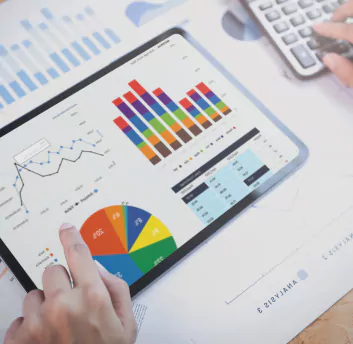
Customer Relationship Management (CRM)
- Enables a seamless flow of customer data between systems
- Helps in improving customer experience and decision-making
- Enables personalised marketing campaigns & improved customer engagement
- Streamlines customer support and improves response times

Enterprise Resource Planning (ERP)
- Enables seamless flow of data between systems such as accounting, inventory, sales, and HR
- Helps in streamlining business processes and improving efficiency
- Enables real-time visibility of business operations and decision-making
- Improves data accuracy and reduces manual data entry errors

Supply Chain Management (SCM)
- Enables seamless flow of data between suppliers, manufacturers, and retailers
- Helps in improving supply chain visibility and responsiveness
- Enables better inventory management and demand forecasting
- Helps in reducing lead times and improving product quality
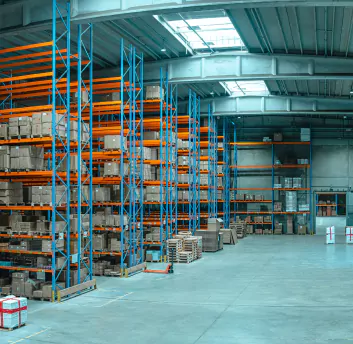
Marketing Automation
- Enables seamless integration of data between marketing and sales systems
- Helps in improving lead generation and nurturing
- Enables personalised and targeted marketing campaigns
- Improves ROI on marketing spend

Payment Gateway Integration
- Enables seamless integration of payment gateways into e-commerce websites
- Helps in improving customer checkout experience
- Enables faster and secure payment processing
- Helps in reducing cart abandonment rates

Human Resource Management (HRM)
- Enables seamless flow of data between suppliers, manufacturers, and retailers
- Helps in improving employee engagement and retention
- Enables better workforce planning and management
- Improves compliance with regulatory requirements

Business Intelligence (BI)
- Enables seamless integration of data from various sources into a central data warehouse
- Helps in improving data analysis and reporting
- Enables real-time monitoring of business performance and KPIs
- Helps in making data-driven decisions

Cloud Infrastructure
- Enables seamless integration of cloud-based systems and applications
- Helps in reducing IT infrastructure costs
- Enables easy scalability of IT systems
- Improves data security and disaster recovery

Social Media
- Enables seamless integration of social media platforms with marketing and CRM systems
- Helps in improving social media engagement and brand awareness
- Enables targeted social media advertising
- Improves social media analytics and reporting

Internet of Things (IoT)
- Enables seamless integration of IoT devices with business systems and applications
- Helps in improving asset management and predictive maintenance
- Enables real-time monitoring of business operations and performance
- Helps in reducing downtime and improving product quality.
Industry Specific Information Technology Areas
Key peripherals of integration
Integration Platform
The software and middleware used to connect multiple systems and enable data exchange.
Data Mapping
The process of defining and mapping data fields between different systems.
API Development
The development of custom APIs to enable communication between systems.
Testing and Validation
Rigorous testing of the integrated systems to ensure data accuracy and system functionality.
Security
Implementation of security protocols and measures to safeguard the data being exchanged between systems.
Maintenance and Support
Ongoing maintenance and support to ensure the integrated systems continue to function properly and meet the evolving needs of the business.
Take a closer look at our solutions for the EAS

Frequently Asked Questions
-
 Life Technologies
-
 Jackson Coker
-
 McDonalds
-
 Vodafone
-
 Adidas
-
 Oracle
-
 MTN
MTN
-
 MTU
MTU
-
 BCG
BCG
-
 Sancho BBDO
-
 Smithfield
-
 Best Buy
-
 Essilor
-
 Cosmopolitan
-
 Abbott
-
 UNSW
UNSW
-
 Daman
Daman
-
 AstraZeneca
-
 VFS Global
-
 Haas
Haas
-
 Tata
Tata
-
 Yahoo
Yahoo
Schedule a Meeting with Our Experts
Share a brief about your project and get a guaranteed response within 24 hours.